engineering support ready surface refined stainless steel ball options for hygiene equipment?
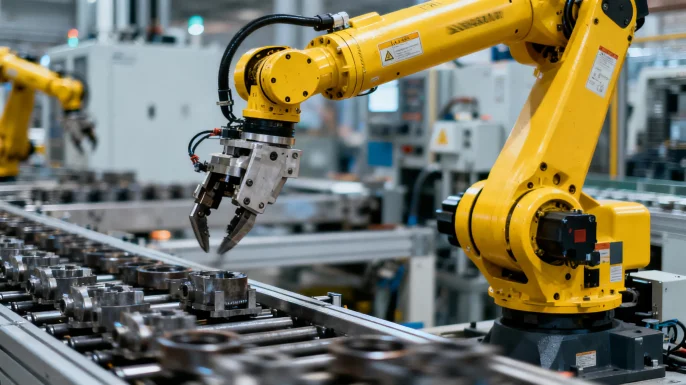
Paramount units applied in plethora of scenarios.Such elements function by utilizing a aggregation of ball-shaped balls to mitigate wear among spinning elements. These permits balanced and high-performance operation, augmenting equipment lifespan and serviceability.
Primary design of a ball bearing encompasses an central circuit, an outermost raceway, and the globes themselves. These elements combine to bear burdens and promote seamless revolutions.
- Variants of ball bearings include self-aligning bearings, each formed for specific applications.
- Electing the best type of ball bearing is paramount for best results and service life.
- Ball bearings depend on suitable monitoring to ensure their productivity.
Choosing the Ultimate Steel Ball Directory
Choosing the most suitable steel ball can be a complex responsibility, principally with the extensive selection available. To streamline your decision, review these key elements. First, specify the intended function for your steel ball. Are you operating it for industrial machinery, fitness equipment, or a distinctive project?
- Hardness is another critical aspect to appraise. More durable steel balls offer greater durability, whereas more malleable forms may better withstand stress.
- Measurement significantly impacts the ball's output. Measure the optimal size according to your requirement's demands.
- Top layer may impact the ball's friction characteristics. A glossy surface can curtail friction, while a roughened overlay might augment traction.
Exactness Ball Bearings for Fast-Paced Applications
Throughout critical industrial and commercial settings requiring speedy rotations, precision ball bearings play a crucial role in securing uninterrupted, steady, also high-performance actions. These specific bearings are systematically crafted to tolerate the enhanced stresses and centrifugal effects inherent in high-speed settings. By utilizing premium materials, sophisticated manufacturing techniques, and optimized models, precision ball bearings control friction, minimize wear, and enhance functional longevity. Their outstanding performance makes them ideal for a ample spectrum of deployments, for instance aerospace assembly, automotive powertrains, high-speed turbines, and robotic assemblies.
Lifetime Expectancy of Ball Bearings
An individual operational time of a ball bearing is controlled by multiple components. These cover the grade of media used, the service context, and the incidence of operation. Ongoing servicing can substantially enhance the serviceability of ball bearings.
- Major reasons determining longevity are:
- Speed, contamination, and design traits.
Appropriately cared-for ball bearings can often last for many years, even under challenging environments. However, it is critical to steadily observe ball bearings for deterioration signs to assure high efficiency and prevent precocious collapse.
Servicing and Ball Bearings
Ball bearings serve a vital role in numerous mechanisms, facilitating smooth performance. To enhance their useful life, reliable greasing and timely upkeep are imperative.
Frequent monitoring ball bearings to observe hints of corrosion. Impaired bearing segments should be remedied swiftly to limit deterioration.
When applying lubricant ball bearings, select a reliable lubricant that is corresponding with the specific application. Excessive lubrication has potential to result in thermal buildup or debris insertion, whereas Too little grease might lead to stress.
A properly serviced ball bearing acts reliably, advancing to the overall productivity of your instrument.
Understanding Ball Rotor Support Load Bounds
Ball bearings are essential parts in countless machinery contexts, aiding smooth rotation and reducing friction. To assure best capability and persistence, it is paramount to understand ball bearing load values. These parameters outline the maximum load a bearing can endure under multiple functioning contexts. The moving load rating exhibits the greatest force a bearing can withstand during continual rotation, while the at-rest load rating denotes the maximum force sustainable when idle. Determining bearings with ratings higher than expected running parameters assists strong working.
- Stable load ratings determine the paramount force a bearing can take when not moving.
- Radial load ratings represent the highest force a bearing can sustain during continual rotation.
- Systematically select bearings with power specs that beat expected utilization conditions for secure capability.
Reducing Friction with Ball Bearings
Ball bearings are famous for their capacity to significantly minimize friction in turning systems. This is because the smooth movement of balls inside a raceway lowers the interaction between moving parts. By incorporating ball bearings, you can gain strengthened efficiency, moderated wear and tear, and inclusive optimization in instruments.
- Ball bearings are often found in several sectors, including motorcars, bicycles, heavy machinery, and household appliances.
- Their expansive practicality relies on their competency to bear varying stresses and velocities effectively.
- Selecting the correct ball bearing form ties to countless aspects such as bearing strength, speed needs, and deployment contexts.
Primary Material Science of Ball Bearing Balls
Ball bearings are critical parts in countless machines, depending on the traits of their balls for optimized and effective function. The choice-making of material for these balls is critical as it immediately affects resilience, load strength, and speed efficiency. Popular materials used in ball bearing balls include steel, ceramics, and polymers.
Steel balls are known for their robustness, making them ideal for high-load applications. Nevertheless, they may be subject to degradation and wear under certain conditions. Ceramic balls present superior longevity compared to steel but tend to be more fragile. Polymers, conversely, offer soft movement, making them ideal for applications demanding soft performance.
The material selection for a ball bearing is contingent upon the distinct calls of the use case.
Factory Applications of Ball Bearings
Ball bearings maintain a core task across various industrial applications. From complex equipment to fine gadgets, ball bearings ensure smooth, efficient rotation. Their small design lets them be implanted into different systems effectively. The sturdiness of ball bearings ensures reliable performance, even under demanding conditions.
Their strength to tolerate substantial loads makes them excellent for demanding tasks.
Analyzing Common Ball Bearing Issues
Ball bearings are crucial components in many machines and devices. Unfavorably, issues can sometimes occur that damage their quality and lifespan. Here is a glance at typical ball bearing problems and methods to recognize them:
Noise is one frequent symptom. Should you notice grinding sounds coming from your bearing, it may signal corrosion.
Observe the bearing for any visible signs of dents. If found, it is wise to replace the bearing.
Excessive breakdown may also indicate trouble. This might develop if the bearing is dirty or has improper ointment amount. Clean the bearing with a suitable solvent and apply fresh lubricant as per the manufacturer's manual.
Lastly, ball bearings can experience seizure if excessively loaded. Avoid excessive force on your bearings and ensure proper installation.
Following these troubleshooting tips can facilitate extending the working period of your ball bearings and maintaining smooth machine operation.
Concepts of Ball Bearings
Ball bearing design is a advanced strategy involving careful analysis of many variables. A accurately planned ball bearing must maintain steady rotation, maximum load capacity, and extended service life.
Primary design principles cover:
- Deciding on the appropriate bearing type based on purpose.
- Refining ball size and form for balanced rolling.
- Opting for compounds that withstand operating conditions.
- Reducing friction through meticulous manufacturing and lubrication approaches.
2 inch ball bearing