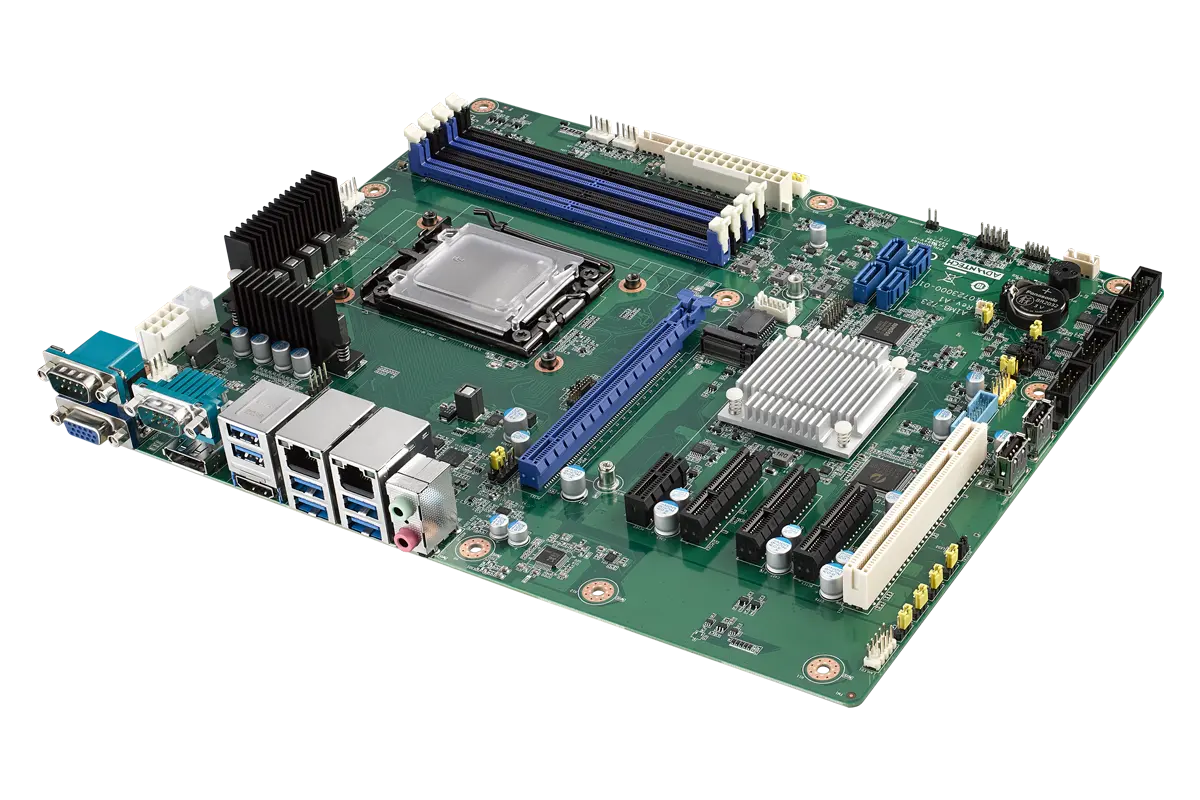
Interpreting user-centric computing trends Are embedded system design modularity features more adaptable on x86 or arm
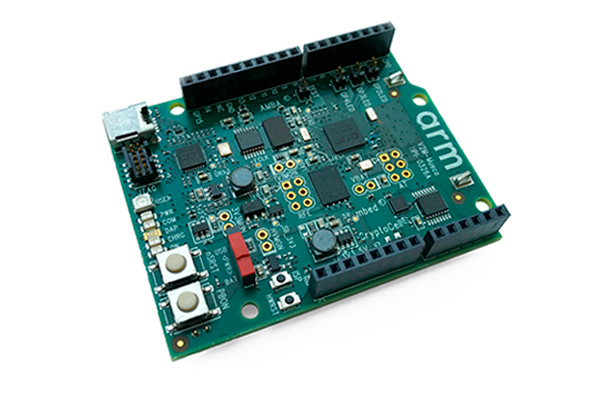
Across numerous decades, the digital environment has been led by two chief designs: the ARM versus x86 architectures. Neither framework mirrors mutual strengths, leading to a vigorous contest for sector prevalence. While the seasoned x86 architecture, has long held the crown in end-user and backend fields, ARM's ascendancy is extremely impressive.
The operational effectiveness advantage of ARM, coupled with its multifunctionality, has made it a top choice for wireless devices and embedded tools. However, ARM is now aiming to conquer new realms, including laptops and data centers. This ambition has provoked the traditional x86 giants, who are countering with advanced creations to maintain dominance.
- Core distinctions in structures impact program execution, power consumption, and overall system design.
- The developing preferences of customers are driving the demand for more enhanced computing solutions.
Thus, the confrontation between ARM and x86 portrays an energetic and transforming scene, with both platforms continuously evolving to meet the demands of a rapidly changing world. The outcome of this fight remains to be seen, but one thing is certain: the future of computing will be shaped by the innovations and advancements of these two titans.
Picking ARM versus x86 Based on Efficiency
Throughout the regularly updating software domain, selecting the prime chip configuration can be a daunting task. Two titans dominate the market: ARM and x86. Both offer compelling benefits, but their performance traits diverge significantly. This comprehensive analysis delves into the details of each architecture, empowering you to make an informed choice.
- Execution
- Electricity Use
- Expense
Benchmark study will be conducted, real-world applications, and the benefits of each architecture, helping you establish which platform best suits your expectations.
Why ARM Dominates x86 in Integrated Systems
ARM silicon solutions dominate embedded hardware arenas. This prosperity owes to numerous significant grounds. First, ARM's schema features low wattage, making it ideal for devices with limited power budgets. Second, the ARM ecosystem contains a large and spirited following of developers and hardware partners, providing ample support and breakthroughs. Finally, ARM's adaptable patent strategy facilitates modifications for distinct purposes, leading to a wide range of products. These factors have combined to make ARM preferred for countless embedded devices, from smartphones to smartwatches and even industrial apparatus.
Premier x86 SBC Models for Intense Workloads
Finding the best x86 SBC offers difficult choices, especially when you're a seasoned professional. You need a device that can facilitate hefty operations, offer solid throughput, and provide a platform for heavy-duty jobs.
- Several factors contribute to the best SBC for your needs, including processing power, RAM capacity, storage options, connectivity features, and community support.
- For earnest professional operators, a board with a strong processor for example Intel i5 or AMD Ryzen 5 is essential.
- Complemented by large RAM and speedy storage necessity for smooth and efficient operation.
Bypass low-standard single board computers; invest in a platform that can effectively boost your initiatives.
Detailed Examination of x86 SBC Platforms
Exploring cost-effective x86 single board computers offers thrilling potential. These nimble solutions afford wide-reaching benefits for learners. From building smart environments to experimenting with software, x86 SBCs provide a multi-purpose, low-cost platform for research. This guide will empower you with knowledge to navigate the diverse landscape of x86 SBCs, exposing possibilities of these clever instruments.
- Explore the history of x86 SBCs and their impact on the technological landscape.
- Evaluate standard x86 SBC offerings by capacity and suitable markets.
- Fathom primary parts comprising x86 SBC configurations.
- Dive into the world of x86 SBC software, including operating systems and development tools.
- Unveil pioneering use cases for x86 single board devices in diverse sectors.
Expansion of ARM Architecture Within Desktop Segments
Despite typical association with smartphone mastery, ARM architecture is steadily making inroads over traditional desktop realms. Several factors contribute to this shift, including the increasing demand for energy-efficient computing and the growing popularity of cloud-based applications. Firms like Apple adopt ARM designs for notebook devices, demonstrating the potential for high capability. This trend is further fueled by the development of new architectures specifically tailored for desktop workloads. As these innovations mature and become more widely available, we can expect to see ARM's presence advance greatly over next phases through desktop technology realms.
Evaluating x86 against ARM For Optimal System Performance
As you pick a machine, two prominent CPU structures stand out: x86 and ARM. Both offer distinct capabilities, making the decision a matter of coordinating your needs with the right platform.
x86 the longtime industry standard is renowned for robust performance and a vast software ecosystem It governs in desktops, laptops, and workstations, particularly for demanding tasks like gaming or video production. ARM, on the other hand, accentuates energy efficiency and a compact design. This allows it ideal for mobile devices, embedded systems, and increasingly, virtual infrastructures.
- Contemplate your core operational scenario: Are you a gamer? Do you need raw power or refined energy consumption?
- Research the software compatibility for each architecture. Not all applications are available on both platforms.
- Reflect on budget and stock status associated with CPU type.
Compact yet Strong Foremost ARM Computation Platforms
Single board hardware has expanded widely, led by ARM cores for multi-use and efficiency. These compact instruments pack a surprising punch, offering incredible capabilities within a small footprint. For hobbyists, makers, and even professionals, ARM-based SBCs provide a flexible platform for everything from learning about electronics to building fully functional constructs. Whether you're looking for a budget-friendly option or a high-performance powerhouse, there's an ARM-based SBC out there to meet your needs.
- Let's explore some of the top contenders in this exciting market!
Benchmarking ARM vs x86 Efficiency Scores
Profiling ARM alongside experienced x86 in benchmarks displays thought-provoking insights. While x86 has traditionally excelled at sheer throughput, particularly for heavy workloads, ARM architectures progressively align aims, especially in areas like mobile performance and energy efficiency. The recent surge in popularity of ARM-based logic units incorporated into mobile and home computing further fuels this conflict. It's important to note that benchmark results can be influenced by a myriad of factors, including the specific version under review, task demands, and operating platform. Therefore, it's crucial to weigh tests' meaning beyond just ratings.
Is ARM Becoming Dominant Over x86 as Standard
The IT domain persists through continuous change, and one of the most compelling movements involve ARM's market climb. While x86 has long controlled the market, ARM's low consumption earns rising interest. This has led to rumors that ARM could displace x86 as the foremost architecture.
- Diverse drivers motivate this transition: ARM's eco-friendly design benefits mobile appliances, ultramobile computers, and cloud hosts.
- Besides, ARM's broad licensing policy boosts invention within the market, constructing expansive collections of ARM-built chipsets.
Although ARM rises, x86 keeps a powerful presence. Industry giants pour money into advancing x86 platforms, and existing infrastructure continues functioning as before.
To sum up, it is ambiguous whether ARM will exclusively overshadow x86. The IT progress will result from synergy of both designs, with each serving its purpose within distinct application areas.
Insights into ARM and x86 Harmonization in Computation
Technology continues to transform at an unprecedented pace. Once distinct architectures, ARM and x86 are now on a collision course, converging to reshape the future of processing power. This convergence brings pioneering developments for developers and consumers alike. ARM's energy efficiency and compact design have made it the dominant force in mobile devices, while x86 has long reigned supreme in desktops and servers. However, the lines are blurring, driven by factors such as the increasing demand for mobile computing and the rise of cloud services.
- This amalgamation will create differing technology platforms, powered by hybrid architectures that take advantage of attributes across both frameworks. This could result in improved mobile technology with greater battery duration and cost-effective server solutions.
- Likewise coders experience augmented tool arrays, enabling them to create innovative applications that push the boundaries. The future of computing holds great promise, with ARM and x86 convergence playing a pivotal role in shaping the next generation of technology.