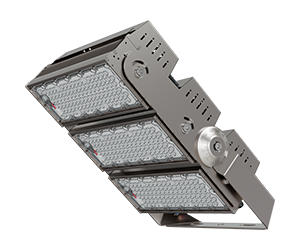
long lasting maintenance free power station explosion proof lighting?
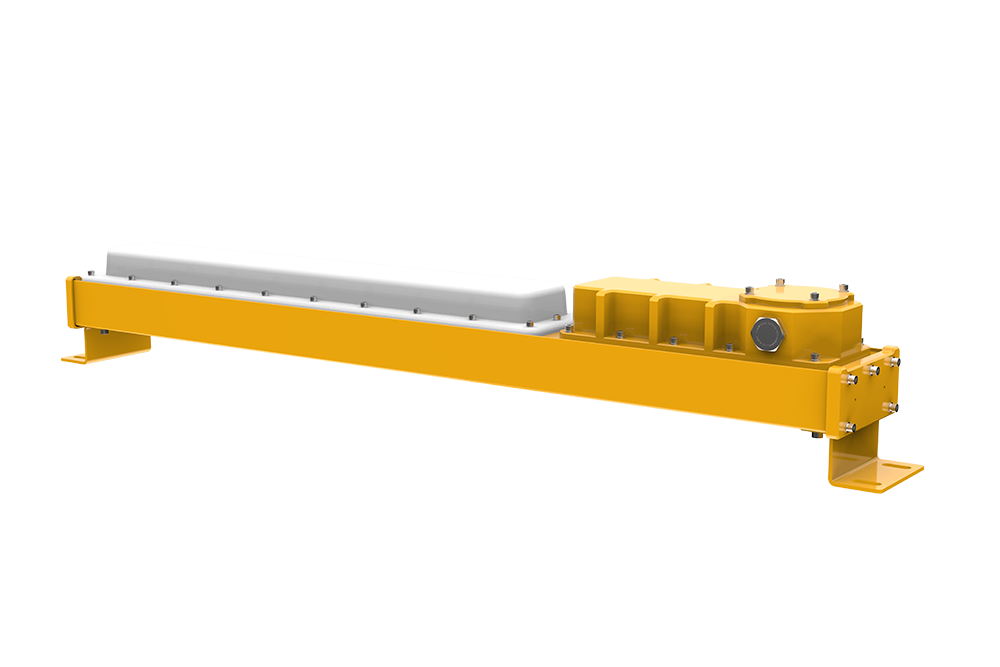
a
Engaging across contexts consisting of explosive substances requires specific critical strategy regarding ignition safety. Flame retardant lamps have been especially designed meant to inhibit igniting throughout those hazardous sites, usually grouped consisting of Class I, II, or III subdivisions. The said lights aren't exclusively "robust" – those operate via some concept linked to containment: whenever the spark genuinely arise inside the body, it surely is enclosed and fails to disseminate towards the encompassing ambience. Choosing the fitting category of intrinsically safe fixtures forms fundamental and depends on variables like the aerosol located, its level, and the temperature range of the material. Without fail get advice from with a certified professional to validate meeting with local standards and to retain a sound place. Deficiency to do so can result in critical outcomes.
Apprehending Explosion Fire-Resistant Fixtures Criteria
Guaranteeing worker health and preventing catastrophic incidents in hazardous sites demands meticulous attention to explosion blastproof illumination regulations. The specified rules typically stem from organizations like the National Electrical Regulation (NEC) and globally recognized endorsement bodies, ensuring equipment can withstand potential ignition sources such as inflammable gases, vapors, or dust. Proper election involves considering the specific Class and Area designation of the setting, which dictates the level of protection needed – from intrinsically harmless designs to enclosures capable of containing an innate combustion. Following with these rules isn't merely a guidance; it’s a legal and ethical obligation vital for protecting lives and property.
Blast Resistant Lighting Devices: A Elaborate Examination
Securing defense in seriously precarious environments is critical, and fireproof lighting equipment play particular vital part in attaining the said target. The outlined carefully designed devices are produced to endure burst-prone surroundings, inhibiting kindling of particles and moisture. Mastering the tenets of intrinsically safe certification, different types of equipment, and appropriate application is absolutely vital for fulfillment and dedicated to retaining a healthy manufacturing location. The said report will investigate into aforementioned features, offering helpful insights for operators and complex executives.
Electroluminescent Device Shockproof Lamps: Effectiveness
Regarding areas where volatile gases or granules are detected, classic fixtures can present a material exposure. By chance, LED hazardous location lighting bring a potent remedy that combines extraordinary output with vital safety. These particular up-to-date solutions engage notably less electricity than previously used tools, producing curtailed charges and a lesser pressures. Furthermore, the sturdy design of these lamps verifies continuous use even in the most demanding business situations, decreasing the chance of flame.
Picking the Right Sparkproof Fixtures for Precarious Sites
Preserving protected processing within at-risk regions demands exacting consideration when opting for lighting methods. Past simply getting a luminaire, it's mandatory to understand the precise sorting of the site – whether it's Type I, II, or III, and divisions 1 or 2. The proper lighting model – usually sparkproof – must be qualified by a established assessment agency such as NRTL to verify it has the ability to withstand the likely for firing. As well, elements like ambient climate , energy flow requirements, and illumination levels should be closely appraised to yield exemplary functionality and maintain observance with all required hazard regulations. Neglecting these matters could generate substantial consequences.
Exploration of Perks of Fire Resistant Devices in Business Areas
Maintaining a secure and steadfast operational environment is paramount in production settings, particularly those dealing with explosive materials. Flame retardant lighting isn't simply a compliance issue; it's a key investment in employee well-being and asset upkeep. The stated purpose-built fixtures are meticulously designed to contain an internal explosion, preventing ignition of surrounding gases. Beyond this primary function, they often offer improved durability in harsh conditions, reducing maintenance frequency and downtime. Furthermore, the adoption of modern explosion proof lighting solutions, such as LED technology, can yield significant cost savings and a more environmentally conscious operation, while in unison enhancing workplace illumination and overall yield.
Protecting Your Fireproof Lights: Superior Approaches
Systematic repair is vital for prolonging the longevity of your hazardous-location lighting systems. Embark with a careful visual inspection for any evidence of physical damage, such as shatters or erosion. Often clean the covers to wipe dust and filth, which can lessen light brightness. Furthermore, ensure complete links are secure and empty of defects. Implement a preventative scrutiny program, respecting the vendor's rules and suitable regulatory policies. Ultimately, maintain exact files of all maintenance jobs for compliance intentions.
Clarifying are Explosionresistant Lamps while Ways they Act?
Fire-resistant luminaires are specially designed apparatuses intended to eliminate kindling in perilous zones, like petrochemical stations or agricultural crumbs management locations. Essentially, instead of blocking discharges from transpiring, these luminaires restrict any potential spark within a locked box. This method typically involves engaging heavy-duty containers, often made of forged titanium, that are earthed and charged with a non-combustible element, like granules, to absorb any inside load discharge from an flash. The layout ensures that any inner blast doesn’t flow to the ambient space, thus lessening a larger disaster.
Comparing Explosion Proof Light Types: ATEX, IECEx, UL
Opting for the appropriate "compatible" explosion-proof "illumination" for hazardous "sectors" can be complicated, particularly when evaluating differing certification "norms". ATEX, IECEx, and UL are three important" certifications, each with its own "strategy" and scope". ATEX, primarily used within the continental" Union, emphasizes product design and examination" to ensure safety in potentially risky" atmospheres. IECEx, an international certification, offers a globally" recognized reference" and often enables" reciprocal recognition, making easier" compliance across multiple "lands". Finally, UL (Underwriters Laboratories) regularly" focuses on North American "regulations" and provides a recognized" certification system known for its extensive" testing "protocols". While overlaps take place, the unique" testing "standards" and notetaking" differ, making a careful "assessment" crucial for ensuring full legal" compliance and a secure" working "setting".
Diode Light vs. Old-Fashioned Shockproof Illumination Devices: Which is Most Suitable?
Identifying between Light Chip and vintage sparkproof {lights|fixtures|luminaires|lamps|lighting led explosion proof lighting systems|illum