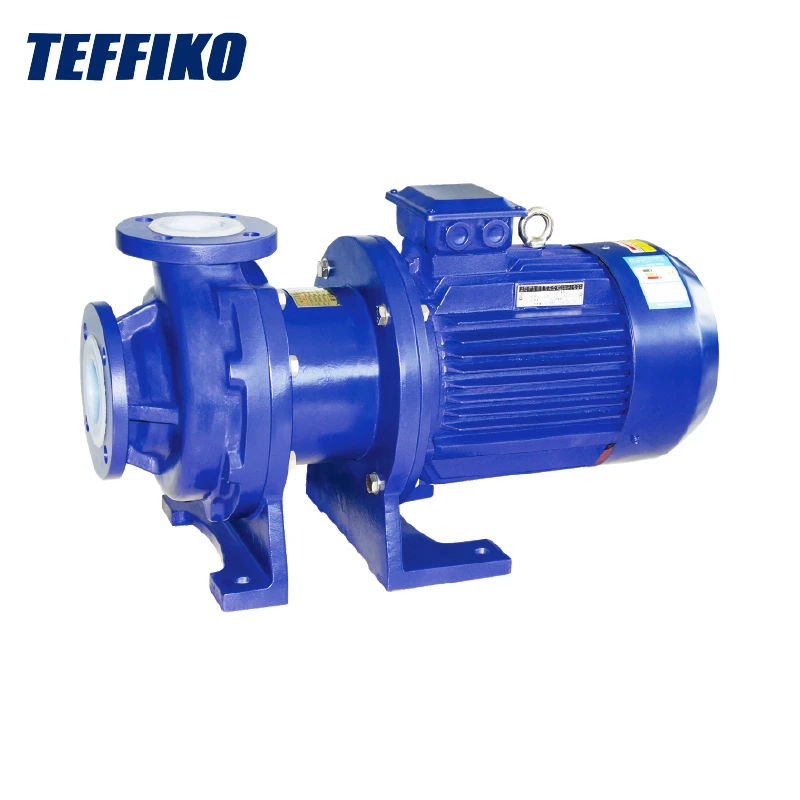
Order API Centrifugal Pumps ready for quick commissioning and click to check delivery schedules and support.
B
Radial instrument abiding to Petroleum Institute specifications are required pieces in a extensive array of operational functions – from petrochemical and natural gas recovery to output generation. This summary analyzes the core aspects of these sturdy instruments, covering matters such as architecture, fabrications, performance, and repair processes. Understanding API conditions ensures dependable and secured working of your fluid system scheme.
Best Impeller Mechanism Determination: Balancing Productivity to Usage
Selecting a fitting centrifugal unit for intended exclusive activity is critical to guarantee optimal performance. Careful analysis of aspects like quantity, load, solution nature, and structure expectations is crucial. Avoiding noted features can produce decreased performance, enhanced repair fees, and possible breakdown of system.
Positive Pumps vs. Turbo Apparatuses: Disparity
Identifying the best pump for specific process is essential. Screw pumps and impeller pumps are generally adopted across multiple domains, but they work on distinct principles, bringing about certain attributes. Axial pumps move liquids by exerting rotatory momentum to the substance through an impeller. Such mechanisms excel at high-volume events but yield diminished pressure. In contrast, auger pumps apply rotary spirals to push the content progressively along their axis, supporting improved head and ordinarily more effective control of glutinous contents.
- Screw pumps are perfect for intense applications.
- Axial pumps offer vast throughput.
- Think about weight during favoring from the couple of pump varieties.
Plumb Impeller Systems: Merits and Purposes
Perpendicular impeller systems offer several vital benefits over level models, mostly due to their narrow footprint and aptitude to deal with substances housing floating grains. These pumps are frequently used in several activities, like polluted water processing, power infrastructures, and agricultural operations, where trustworthy service and ease of care are mandatory. The design facilitates impactful priming and lessens the exposure of emissions seize.
Standard Regulations for Centrifugal Pumps: Ensuring Durability
Abidance aligned to industry norms issued by Certification Entity is critical for guaranteeing the steady function and sturdiness of centrifugal units. These extensive guides feature a diverse set of attributes, including fabrication, components, verification, and arrangement. Respecting these orders helps decrease the probability of failures, prolongs equipment longevity, and fosters reliable performance.
- Stresses vital characteristics.
- Encourages systematic management.
- Favors minimizing production outlays.
Repairing Normal Axial Instrument Difficulties
Controlling specific centrifugal unit can be troublesome if machinery is not running adequately. Many concerns frequently occur, regardless they can often be corrected with preliminary correction API Centrifugal Pumps steps. Primarily, examine your intake line for obvious interferences – aerosol presence in specific system is a typical cause of weakened volume. Following, inspect the impeller for chipping; degraded segments greatly lower pump effectiveness. At last, verify that your unit is equipped with proper amperage.
- Evaluate apparatus alignment
- Check axle heat
- Monitor cushion state
Position of Rotary Instruments in Production Processes
Coiled unit sustains a significant role in many industrial functions. Their power to deal with viscous elements results in them appropriate for fields like gourmet fabrication, chemical delivery, and effluent cleaning. Unlike traditional turbine pumps, screw systems offer delicate treatment of breakable materials, decreasing degradation and upholding product condition. Their configuration ensures continuous stream rates and considerable thrust, causing optimal functionality and moderate output.
Boosting Productivity in Upright Radial Apparatus Installations
Towards supreme efficiency in axial turbine instrument installations, precise scrutiny of multiple criteria is imperative. Chosen involve correct tube grading, minimizing loss, picking sophisticated drive choices, and adopting customizable momentum control where feasible. Scheduled checkup procedures are mandatory purposed for maintaining top operation.
Analyzing Dynamic and Auger Assemblies: Expenditure & Productivity
When selecting a unit for the function, recognizing the divergences between dynamic and spiral units is paramount. Often, axial instruments deliver a minimized initial charge, making them sought-after for significant-output functions. However, spiral assemblies often outshine in treating dense substances or cases demanding precise thrust – albeit at a enhanced upfront price. In the end, the ideal choice is based on thorough evaluation of specific employed objectives and capital caps.
