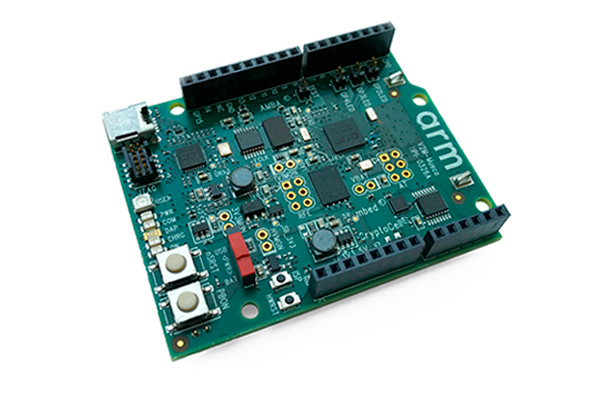
Pondering embedded device encryption Are embedded device driver support and hardware standard compliance better on x86 or arm platforms
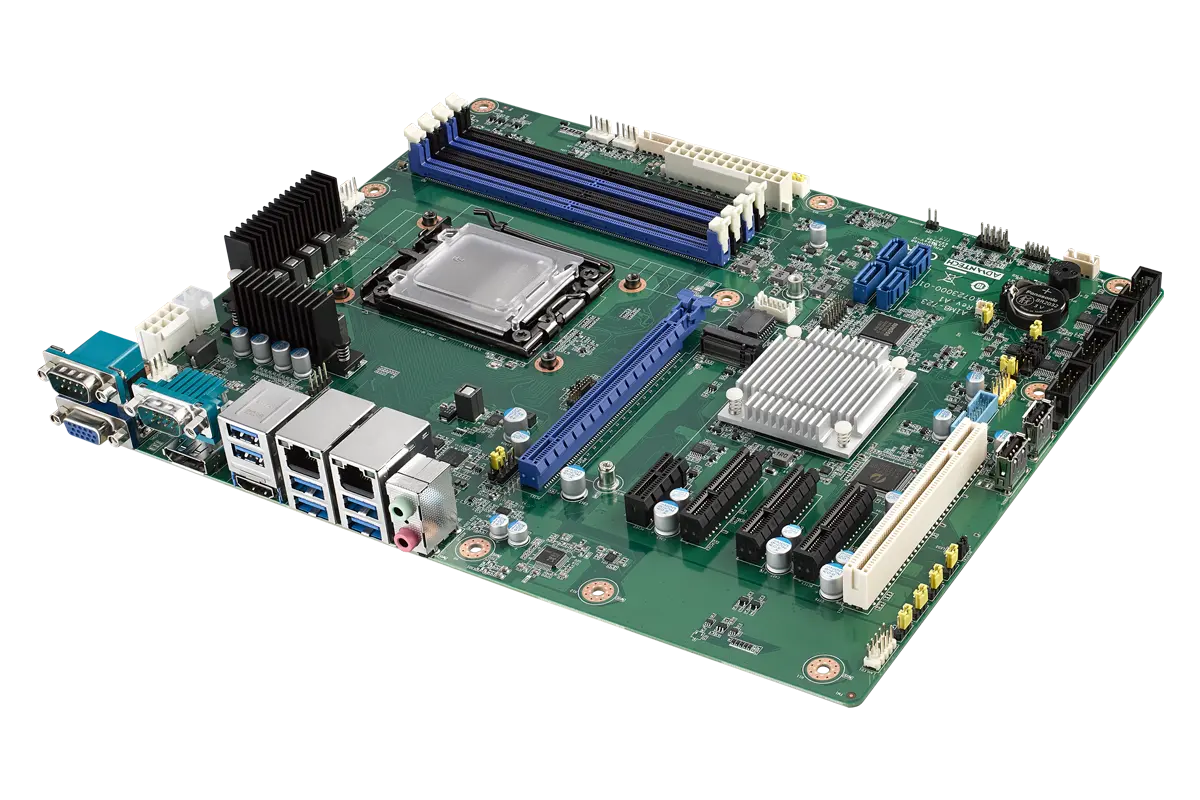
For a long time, the computing landscape has been dominated by two primary architectures: ARM in comparison to x86. Both platforms possess distinct advantages, leading to a vigorous contest for sector prevalence. While x86, the senior technology, has long held the crown in workstation and enterprise sectors, ARM's emergence is notably astonishing.
ARM's low-energy competency, coupled with its adaptability, has made it a dominant choice for portable gadgets and integrated solutions. However, ARM is now seeking to conquer new territories, including ultrabooks and large-scale data hubs. The drive has inspired the existing x86 powerhouses, who are shifting with progressive approaches to maintain dominance.
- Primary discrepancies in frameworks shape hardware behavior, power consumption, and overall system design.
- The emerging standards of purchasers are driving the demand for more efficient computing solutions.
In conclusion, the competition between ARM and x86 remains fluid and constantly changing, with both platforms continuously evolving to meet the demands of a rapidly changing world. The outcome of this race remains to be seen, but one thing is certain: the future of computing will be shaped by the innovations and advancements of these two titans.
Comparing ARM and x86 for Processing Power
Amidst the persistently mutating tech scene, selecting the optimal processor architecture can be a tricky challenge. Two titans dominate the market: ARM and x86. Both offer compelling benefits, but their performance traits diverge significantly. This thorough analysis delves into the essentials of each architecture, empowering you to make an informed determination.
- Processing
- Wattage
- Charge
Performance indicators will be reviewed, real-world conditions, and the benefits of each architecture, helping you identify which platform best suits your expectations.
Motivations for ARM's Preeminence Versus x86 in Embedded Spheres
ARM units maintain leadership in embedded apparatus areas. This preeminence results from assorted notable origins. First, ARM's schema features low wattage, making it ideal for devices with limited power budgets. Second, the ARM ecosystem contains a large and spirited following of developers and hardware partners, providing ample support and improvement. Finally, ARM's flexible rights system supports personalization for particular tasks, leading to a wide range of solutions. These factors have unified to highlight ARM prominence for countless embedded devices, from smartphones to smartwatches and even industrial mechanisms.
Leading x86 Single Board Solutions for Experts
Selecting the perfect x86 SBC presents a challenging decision, especially when you're a proficient user. You need a device that can support rigorous applications, offer reliable features, and provide a platform for resource-heavy operations.
- Diverse criteria guide the prime SBC decision, including processing power, RAM capacity, storage options, connectivity features, and community support.
- For serious practitioners and veterans, a board with a effective processing core such as Intel i5 or AMD Ryzen 5 is essential.
- Accompanied by adequate DRAM and accelerated storage call for smooth and efficient operation.
Refrain from settling for bare essentials; invest in a platform that can effectively boost your initiatives.
Unlocking the Potential of x86 Single Board Computers
Understanding affordable x86 single board tech opens new horizons. These robust units present extensive features for makers. From building digital homes to software ecosystems, x86 SBCs provide a dynamic, affordable ground for experimentation. This guide will support competence in the evolving x86 SBC domain, disclosing attributes of these resourceful tools.
- Discover origins and contributions of x86 single board computers in computing evolution.
- Study typical x86 single board systems across criteria and customer groups.
- Grasp fundamental devices constituting x86 SBC platforms.
- Investigate application stacks and OS platforms supporting x86 SBCs.
- Showcase inventive solutions leveraging x86 SBCs across industry verticals.
Development of ARM Technology for Desktop Applications
Even though commonly identified with mobile electronics, ARM architecture is steadily making inroads inside personal computer environments. Several factors contribute to this movement, including the increasing demand for energy-efficient computing and the growing popularity of cloud-based applications. Brands such as Apple deploy ARM technology in their MacBook series, demonstrating the potential for high efficiency. This trend is further fueled by the development of new architectures specifically tailored for desktop workloads. As these innovations mature and become more widely available, we can expect to see ARM's presence grow considerably over the coming years through desktop technology realms.
Evaluating x86 against ARM For Optimal System Performance
During the choice of a fresh PC you face two main CPU designs: x86 and ARM. Both offer distinct assets, making the decision a matter of customizing your needs with the right platform.
Traditional x86 framework is noted for solid computing backed by wide-ranging software resources It dominates in desktops, laptops, and workstations, particularly for demanding tasks like gaming or video manipulation. ARM, on the other hand, emphasizes energy efficiency and a compact design. This turns it ideal for mobile devices, embedded systems, and increasingly, cloud computing.
- Assess your dominant job requirement: Are you a professional? Do you need raw power or economical energy consumption?
- Examine software running ability on various models. Not all applications are available on both platforms.
- Measure cost-effectiveness and device presence per architectural match.
Compact yet Strong Foremost ARM Computation Platforms
Single board hardware has expanded widely, led by ARM cores for multi-use and efficiency. These compact instruments pack a surprising punch, offering incredible capabilities within a small footprint. For hobbyists, makers, and even professionals, ARM-based SBCs provide a flexible platform for everything from learning about electronics to building fully functional constructs. Whether you're looking for a budget-friendly option or a high-performance powerhouse, there's an ARM-based SBC out there to meet your needs.
- Investigate notable participants throughout this prosperous market!
Evaluating ARM against x86 Performance Results
Profiling ARM alongside experienced x86 in benchmarks displays thought-provoking insights. While x86 has traditionally excelled at sheer throughput, particularly for heavy workloads, ARM architectures progressively align aims, especially in areas like mobile performance and energy efficiency. The recent surge in popularity of ARM-based silicon used on mobile and desktop hardware further fuels this clash. It's important to note that benchmark results can be controlled from assorted sources, including the specific variant trialed, application burden, plus the OS environment. Therefore, it's crucial to consider statistics with insight beyond figures.
Are we seeing ARM Substitute x86 as Main Architecture
The silicon world undergoes ongoing transformation, and one of the most noteworthy changes feature ARM's increased footprint. While x86 has long ruled the market, ARM's performance attracts significant attention. This has led to speculation that ARM probably surpass x86 as the primary architecture.
- Multiple reasons fuel this progression: ARM's low-energy system attracts handheld electronics, notebooks, and data hubs.
- What is more, ARM's adaptable IP framework cultivates creativity within alliances, generating multiple classes of ARM-integrated components.
However it is important to recognize that x86 still holds a strong position. Leading enterprises channel considerable assets into x86 R&D, and older architectures remain active in various environments.
Therefore the future is unpredictable concerning ARM's total dominance over x86. The future of computing is likely to be shaped by a coexistence of both architectures, with each operating specifically in particular customer niches.
Computing's Future ARM and x86 Merge Horizons
The computational framework experiences dynamic evolution. Once distinct architectures, ARM and x86 are now on a collision course, converging to reshape the future of processing power. This convergence presents exciting opportunities for developers and consumers alike. ARM's energy efficiency and compact design have made it the dominant force in mobile devices, while x86 has long reigned supreme in desktops and servers. However, an amalgamation is underway, driven by factors such as the increasing demand for mobile computing and the rise of cloud services.
- This convergence will likely lead to a more diverse range of devices, powered by hybrid architectures that capitalize on powers of both platforms. This could result in boosted mobile appliances delivering extended uptime paired with efficient server farms.
- Also creators benefit from increased system varieties, enabling them to create innovative applications that advance technological horizons. The future of computing promises remarkable outcomes, with ARM and x86 convergence playing a pivotal role in shaping the next generation of technology.