radiofrequency shielding capability robust PSDM sealing compound?
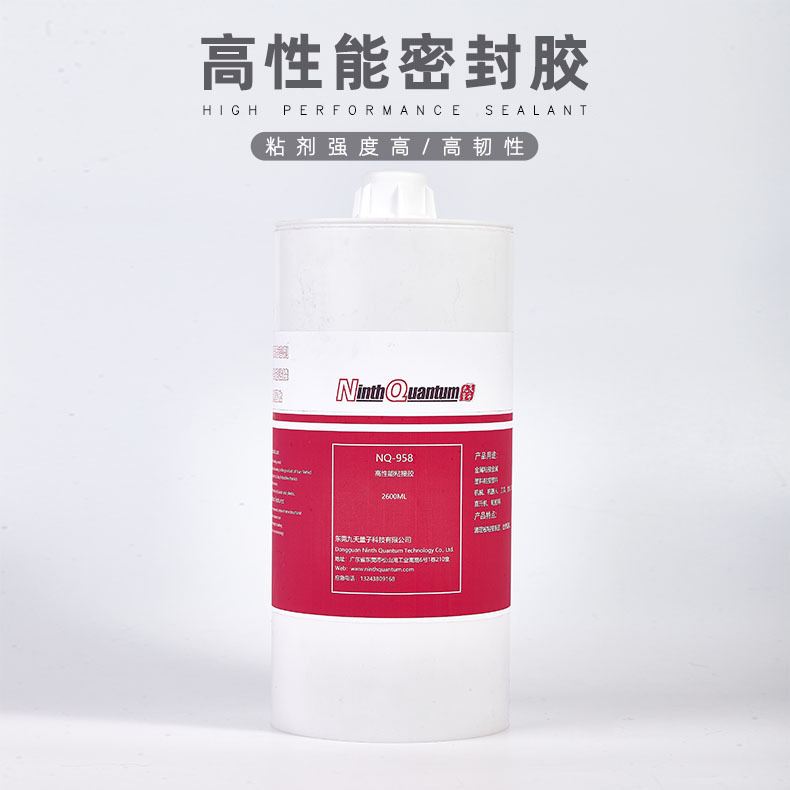
Amid the tough environment of board encasing closure, acidic compound sealers have appeared as practical methods as a result of impressive cling characteristics and resistance to severe settings. They generate tough barriers obviating wetness, wear, and contamination. Furthermore, their compatibility with diverse substrate materials extends their suitability across multiple usages.
- Nonetheless
- obstacles persist
- regarding acid-containing coatings.
These drawbacks address the vulnerability of electronic pieces and anxiety about prolonged reliability. Detailed inquiry and iterative enhancement focus on confronting challenges and boosting acid-formulated sealing agent value in electronics
Next-gen thermally efficient films transforming heat management solutions
In the fast-evolving technological arena, effective heat removal has become a priority. Since gadgets downsize while increasing throughput, solving heat accumulation becomes critical. Progressive heat-conductive membranes deliver superior thermal transfer alongside pliability. These sheets adapt to hardware layouts, advancing warmth dispersion mechanisms. Utilization in wireless devices, ultrabooks, and accessories provides extended power endurance, optimized capability, and continuous reliability.
- Heat-spreading films allow tuning for exact thermal management through composition and layer adjustments
- Integrating heat-conductive materials into fabrication lines remains typically simple and efficient
- Progressive enhancements elevate thermal conduction membrane performance and widen application areas
Cutting-Edge PSDM Techniques Improving Equipment Longevity
Within modern technology milieus, reinforcing equipment steadiness is vital. Technologies like PSDM serve as transformative agents to address this vital concern. The predictive diagnostic mechanism equips stakeholders to supervise tools proactively, spot preliminary faults, and conduct rapid interventions. Such foresight drastically curtails downtime, maximizes workflow productivity, and lengthens apparatus functional lifespan.
Electrically Conductive Silicone Sealants
This blend fuses silicone's pliancy and electrical conduction. Targeted towards circumstances requiring combined electricity and heat direction. Additionally, durability versus elevated temperatures, humidity ingress, and sunlight exposure supports diverse industrial and personal uses
- Multiple typical uses for electrically conductive silicone sealants include applications in electronics, automotive manufacturing, and medical fields
Premium Acidic Sealants Engineered for Aggressive Environments
Sectors challenged by continual deterioration require reliable sealants. Highly developed acid adhesive products supply excellent defense versus harsh reagents. Created from resilient materials, the product mounts solidly on numerous bases, securing lasting defense against acidic challenges
- Critical facets embrace impermeable sealing, temperature endurance, and long-term reliability
Invest in our elite acidic sealant to maintain dependable barrier integrity under tough demands
Heat Transfer Sealants Optimized for Device Cooling
In the realm of electric assemblies and temperature control, thermally conductive adhesives play key roles in improving internal heat dissipation. The materials provide advanced heat conduction features that guarantee efficient thermal removal from modules. Creating strong interfaces among equipment and cooling elements, these sealants minimize temperature fluctuations. This leads to superior operation, steady reliability, and extended device endurance via temperature regulation.
Electing the best thermal conduction sealant involves evaluation of temperature range, material congruence, and bonding power. Development in conductive materials persistently optimizes heat flow, enabling tinier and efficient thermal control
Exceptional Bonding Strengths of Silicone-Based Conductive Sealants
Conductive silicone sealants boast exceptional sticking characteristics across various base materials. Impressive sticking capacity guarantees persistent electric connectivity and blocks delamination. Base ingredients integrated with silver or carbon fillers encourage strong affinity to metallic, synthetic, and glass substrates. Enduring adherence enhances durability through shielding hardware from tremors, temperature swings, and dampness.
Analysis of Acidic Sealants in Semiconductor Contexts
Evaluating sealants for semiconductor implementation entails verifying affinity with underlying matter. Despite strong bonding advantages, acid-driven sealants may introduce risk to sensitive semiconductor layers. In-depth testing and critical assessment confirm acid-based sealant compatibility with delicate conductive silicone semiconductor layers.
Conditions including acid potency, duration of contact, and atmospheric temperature affect sealant action and material compatibility. Implementing exacting assessments secures avoidance of corrosion or degradation in sensitive semiconductor parts by selected sealants
Role of Conductive Films in Device Assembly Processes
Electric-conductive layers offer necessary participation in enabling power conduction within gadget manufacturing. The materials authorize uninterrupted power passage, ensuring reliable working of integrated electronic systems. Fields of application comprise bendable screen technology, transistor films, sensor units, and integrated microchips. Reliable electrical transfer with ultra-thin form factors meets requirements for progressive electronics fabrication
Traits of heat-conductive films receive detailed regulation tweaking them for unique application needs. For instance, electrical conductivity may be optimized to guarantee maximal device performance and efficiency. Also, films deposit on platforms like plastic, metal, and glass supporting flexible manufacturing and architectural approaches
- Advantages embrace suppleness, fine structure, and low-cost implementation strategies
- The incorporation expands into mobile gadgets, ultrabooks, and wearable gear
- Future directions emphasize clear, bendable, and regenerative conductive membranes featuring enhanced charge transfer
Reviewing PSDM Versus Conventional Adhesion Strategies
The field of adhesive application sees main approaches of PSDM and traditional bonding. This write-up reviews comparison showing merits and demerits of each method. PSDM achieves speedy and precise application tailored to fragile materials. Unlike PSDM, conventional approaches depend on mechanical procedures often granting strong bonding but slower rates
- Central merits of PSDM underline malleability and user-directed installation
- Previous bonding standards frequently result in durable joins adapted to rigorous environments
Upcoming Patterns in Acidic Sealant and Conductive Film Sectors
Innovations in acidic sealants and conductive coatings are projected to make wide impacts. Leading advancements center on fabricating sealants featuring elevated long-lasting resistance in demanding environments. In tandem, development stresses conductive layers with increased transport efficiency applied to adaptable electronics, sensors, and energy supply.Synergy linking researchers and commercial partners facilitates critical progression of new technologies. This collaborative methodology ensures acidic sealing and conductive film advancements meet changing demands within diverse industries