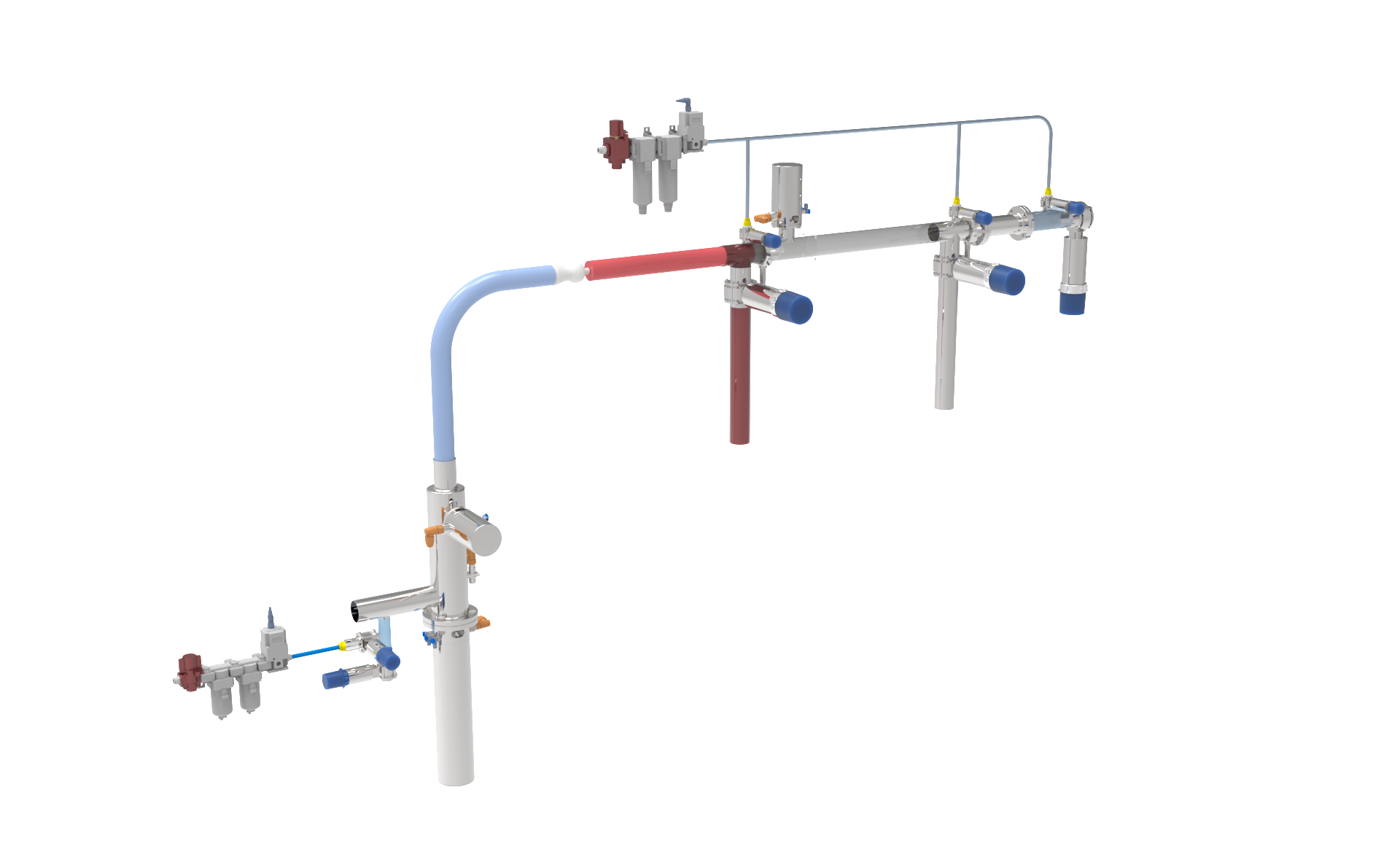
waste reducing demand driven sanitary pigging for private labels?
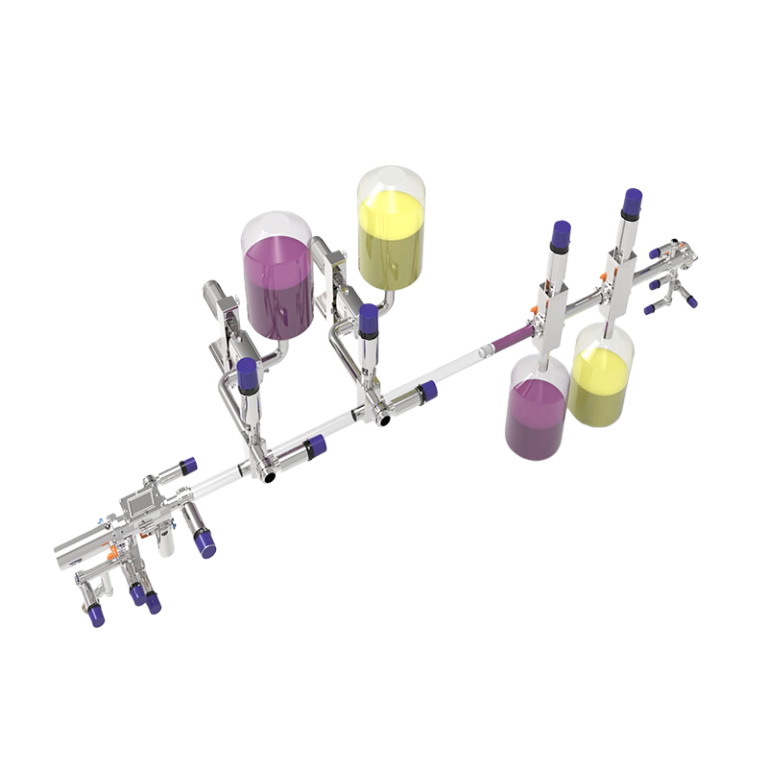
Opening Modern Maintenance pigging systems Procedures
Safe Product Handling Pigging Systems
Operating food-safe pigging methods guarantees optimal immaculacy including hygienic throughput. These protocols consist of certified hygienic substances engineered to resisting strict sanitization processes over blocking biological contamination.
- State-of-the-art structures utilize automated cleaning sequences, elevating maintenance ease.
- Conformance to standards required for every food-grade cleaning procedure utilized in nutritional product production. Systems are assembled to satisfy strong criteria, confirming the highest safety levels.
Elevating Efficiency Gains from Pipeline Pigging
Pigging innovation for pipelines presents a robust technique for refining system performance. With executing intelligent pig launching and strategic checkup intervals, engineers can curtail unplanned downtime, amplify transit rates, and guarantee fluid channel reliability. Pigging not only detects potential defects such as plugs or damage but also supports efficient sanitation and audit processes. This preventive network oversight pronouncedly trims operational expenses and supports the full resilience of distribution channels.
Pipeline Cleaning Systems in Pet Food Production
Pigging tools for pet food have become necessary components within the pet food manufacturing industry. These systems facilitate the safe and efficient transfer of components through tubes, lessening adulteration possibilities. By accurately differentiating different raw materials or product batches, pigging systems help ensure the highest levels of excellence and safety in pet food production.
Furthermore, pigging systems furnish a array of benefits, embracing reduced downtime for hygiene and operation, improved production throughput, and restricted resource depletion. The use of pigging systems finally augments the production of harmless, healthy, and reliable pet food.
Critical Design Elements of Sanitary Pigging in Pet Food
Amid the construction of pet food, sustaining strict hygiene is paramount. Pigging systems play a vital role in protecting product sanitation and performance by thoroughly disinfecting pipelines between manufacturing stages. A well-designed pigging system incorporates constituents that restrain microbial threats, encourage efficient cleaning procedures, and ward off impurity infusion between batches.
- Utilizing unblemished coatings decreases the potential for infection growth.
- Substances that are sanitizable and decay-resilient are required for preserving hygiene.
- Suitable controllers avoids the reverse flow of undesirables during decontamination and product transfer.
Effective pigging planning also optimize facility functioning by curtailing downtime for cleaning. By properly eliminating residues and hindering cross-contamination, these systems add to a more trustworthy production process, eventually leading to the development of safe and excellent pet food.
Pigging Systems for Pipelines
Ensuring the integrity of ducts is necessary for reliable and powerful delivery of commodities. Pigging systems equip a budget-friendly process to inspecting pipelines. A pig, also designated a pipeline toolkit, represents a motorized device moved through the pipeline to execute various procedures. Cleaning pigs clear buildup and contaminants, while inspection pigs are fitted with instruments to detect deterioration in the pipe walls. Regular pigging helps prevent pipeline downtime, securing safe and reliable process.
- Several types of pigs operate, each adapted for specific requirements.
- Pigging operations are efficient and can be executed without interference.
- Incorporating a pigging program can expand the lifespan of pipelines and decrease maintenance costs.
State-of-the-Art Pipeline Systems in Pet Food Sector
Pigging has emerged as a vital process in the pet food industry, maintaining efficient and sanitary production.
Innovative pigging technologies explore sophisticated technology to accurately clean pipelines. This minimizes the risk of ingredient adulteration between different pet food compositions, thereby upgrading product safety and quality.
What's more, advanced pigging platforms offer a range of benefits such as: * Boosted pipeline cleansing success * Diminished process breakdowns * Improved overall hygiene standards * Lowered dependency on toxic agents
The implementation of these technologies demonstrates the pet food industry's commitment to ensuring safe and superior outputs for consumers.
Challenges and Solutions in Pigging Systems for Pet Food Production
Pigging systems are crucial in the pet food production process, affirming efficient transport of raw inputs and finished products. However, these systems undergo several challenges. One regular problem is blockages caused by particle size variation. Tackling this fault involves adopting pigging techniques such as adjustable mechanisms and improving ingredient mixtures.
Another challenge is the hazard of contamination. minimize this, strict hygiene protocols are essential to be enforced throughout the pigging system. This constitutes regular cleansing of pigging mechanisms and use of effective cleaning compounds. Regular audits are also indispensable to recognize potential problems early on. By following these solutions, pet food manufacturers can secure the efficiency and safety of their pigging systems.
Rewards of Pigging Techniques in Pet Food Manufacturing
Pipeline cleansing solutions offer a variety of benefits for pet food manufacturers dedicated to optimize their production processes. These systems deploy mechanical pressure applied to propel this pig, a cleaning device, through the pipeline, precisely removing product residue and contaminants. Thus, pigging systems enable to upgraded hygiene standards, reducing the risk of cross-contamination and delivering a safer final product for end-users.
- Also, pigging systems can expand production efficiency by lowering downtime for cleaning and maintenance.
- Besides, they contribute to diminish waste by stopping product loss during pipeline cleaning.
- Ultimately, pigging systems can be designed to satisfy the specific requirements of different pet food production lines.
Case Studies: Successful Implementation of Pigging Systems in Pet Food Plants
Canine and feline food industry is shifting to efficient and sanitary workflows for ensuring optimal product quality. Pigging systems have been recognized as a effective solution to meet these demands, offering a trusted method for cleaning and auditing pipelines within pet food plants.
Many case studies display the potency of implementing pigging systems in various stages of pet food production.
- Enterprises like [Company A], [Company B], and [Company C] have declared significant improvements in sanitation, product trustworthiness, and overall operational productivity following the adoption of pigging systems.
- Results such as reduced downtime for cleaning, diminished cross-contamination risks, and improved accountability of product flow have been observed in these case studies.
Moreover, pigging systems contribute to ecological reduction by boosting resource utilization and minimizing waste generation.
Opting for the Right Pigging System for Your Pet Food Pipeline
Regarding preserving the purity standards of your pet food line, a sturdy pigging system is paramount. Pigging systems optimize efficiency by flushing product residue and reducing cross-contamination between batches. Selecting the correct system depends on a variety of criteria, including your manufacturing volume, input characteristics, and functional infrastructure.
- Weigh the diameter of your pipelines to ensure a suitable pig design.
- Examine the thickness of your pet food products to select the optimal pig material and rate of operation.
- Concentrate on systems that feature features like programmable launching and retrieval for increased reliability.